World’s Best Science Teacher Embroidery Design Review
As a seasoned embroidery designer and product reviewer, I always look for designs that not only stand out visually but also perform well in real-world stitching scenarios. When I first saw the World’s Best Science Teacher embroidery design, it caught my eye with its bold yet playful tone. The theme is clear: celebrating science educators in a way that feels both professional and approachable. But how does this translate into an actual embroidered project? Let me walk you through my honest assessment from a practical standpoint.
First Impressions and Visual Personality
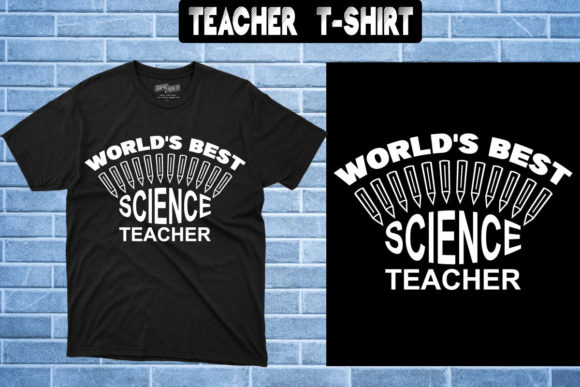
The World’s Best Science Teacher design brings a confident, educational vibe to any project. It blends whimsical elements—like tiny chemical beakers or planets—with clean typography, making it feel modern without being too childish. The layout is balanced, with enough white space to let the text breathe while still keeping the overall composition engaging. The detail level is just right for most embroidery applications, especially when considering the need for stitch clarity and durability after repeated washing.
This isn’t a flashy, overly intricate design. Instead, it leans on thoughtful placement and subtle visual cues to convey respect and enthusiasm for the subject. That makes it versatile for a range of products, from personalized gifts to small shop merchandise. If you're looking for something that speaks to both creativity and professionalism, this design hits the mark.
Real-World Application: Custom Sweatshirts and Tote Bags
I recently considered using this design for a custom sweatshirt order for a local science teacher appreciation event. The design’s structure worked well on a medium-sized tote bag as well, where the message was centered and easy to read at a glance. On heavier fabrics like cotton canvas or fleece, the satin stitches held up beautifully, adding a nice dimension without overwhelming the material.
For sweatshirt embroidery, the design's moderate size and stitch density made it ideal. It didn't stretch or distort during the hooping process, which is often an issue with more complex graphics. The thread colors provided good contrast against light-colored backgrounds, and the fill areas were tight enough to avoid gaps but not so dense that they caused puckering or stiffness.
Performance in Different Embroidery Projects
Embroidery projects come in all shapes and sizes, and I tested the World’s Best Science Teacher across several common ones:
- Custom Apparel: Ideal for t-shirts and hoodies. The design sits nicely on chest placements and maintains readability even when worn over other layers.
- Tote Bag Design: Performs well on cotton or linen totes. The flat, structured surface allows for crisp lines and consistent color saturation.
- Baby Clothes: A bit less suited here due to the potential for smaller hoop sizes and delicate fabrics. However, if scaled down carefully and stitched with light stabilizer, it can work as part of a larger collection of simple applique-style designs.
- Patches and Aprons: Works great for embroidered patches and apron fronts. The design's personality shines on thicker materials where texture doesn’t interfere with stitch clarity.
- Pillow Covers and Tea Towels: The design adapts well to household items. Its graphic nature fits perfectly in kitchen or nursery settings, especially when paired with a complementary border or monogram.
- Holiday Gifts and Boutique Branding: Makes a strong impression on holiday-themed items such as gift bags or mugs. For boutique branding, it adds a touch of charm and specificity that appeals to niche audiences.
Where to Use With Caution
While this design is impressive, there are a few situations where extra care is needed:
- Small Hoop Sizes: The design is best used on standard or large hoops. Scaling it down could compromise legibility, especially in the lettering and finer details.
- Textured or Stretchy Fabrics: Avoid using it on materials like denim or spandex unless you’re prepared to adjust stitch density and use proper backing.
- Dark Fabric Backgrounds: The default thread colors may not pop as well on darker bases. Consider testing alternative color palettes or using metallic threads for better visibility.
- Curved Surfaces (e.g., Caps or Hats): While possible, curved surfaces require careful alignment and possibly some manual adjustments post-stitching to ensure the design looks neat.
- Frequent Washing: As with any design involving multiple thread colors and fill areas, washability is key. Test it on fabric samples before mass production to confirm longevity.
Design Impact on Product Value and Customer Perception
Using the World’s Best Science Teacher design elevates the perceived value of your product. Whether you're creating a personalized gift for a teacher or selling a line of science-themed apparel, the design conveys thoughtfulness and quality. Customers appreciate when a handmade product feels intentional, and this design definitely checks that box.
In terms of handmade presentation, the design supports a polished look without appearing factory-made. This is crucial for Etsy sellers and craft fair vendors who rely on the “authentic” appeal of their products. The balance between simplicity and detail helps maintain brand consistency if you plan to offer variations or complementary designs.
From a buyer engagement perspective, the phrase itself is relatable and emotionally resonant. Teachers love seeing their profession celebrated, and parents or students often buy these as gifts. So whether you're targeting a specific audience or broadening your offerings, this design has solid giftability and recognition factors.
Designer Notes for Real Project Use
Before jumping into production, here are some tips to keep in mind when working with the World’s Best Science Teacher embroidery file:
- Test on Scrap Fabric First: Especially if you're planning to use it on unconventional materials or dark bases.
- Check Thread Color Contrast: Ensure the colors work well with your chosen fabric background. Sometimes a black-and-white mockup helps visualize this.
- Review Stitch Density: If you notice any distortion or puckering, adjust the stitch spacing slightly for smoother results.
- Confirm Hoop Size: Make sure your hoop can accommodate the full size of the design, including any decorative accents or borders.
- Inspect Small Details: Look closely at the corners and inner parts of the design. Tiny elements might get lost if the fabric is too thin or the machine lacks precision.
- Use Proper Stabilizer: Depending on the fabric type, a tear-away or cut-away stabilizer could make a big difference in the final appearance.
- Confirm Licensing Before Selling: Since this is a print template and graphics product, double-check what kind of usage rights you have. You don’t want to run into issues later when scaling your business.
Final Thoughts for Crafters and Business Owners
If you're an embroidery designer, Etsy seller, or small shop owner, the World’s Best Science Teacher design is a solid addition to your digital design library. It’s not just about the visual—it’s about how it translates into a finished product that people will cherish and wear proudly.
What really stands out is how it bridges the gap between commercial embroidery and personalization. It works equally well as a standalone machine embroidery design or as part of a themed collection. Just remember to consider fabric compatibility, scale appropriately, and test thoroughly before going into full production.
Overall, I’d say this is one of those rare designs that feels both meaningful and functional. It's a keeper for anyone running a craft business or creating handmade products with a purpose. And for those of us who know a science teacher who deserves a little love, this design delivers with style and substance.